Maximizing Space with Three Square Shelves Guide

Intro
In recent years, three square shelves have become something of a trend in interior design, offering a unique blend of style and function. They serve not just as storage solutions but also as artful displays that can enhance any space. With the flexibility of configurations, materials, and colors, these shelves cater to a wide variety of tastes and needs. Homeowners, designers, and retailers alike are increasingly recognizing the potential of three square shelves in both commercial and residential settings.
The eclectic nature of these shelves allows for robust customization. Whether you’re aiming for a sleek modern aesthetic or a rustic, cozy vibe, three square shelves can fit right in. But beyond style, it's critical to understand their practical applications, spatial benefits, and how they can contribute to an organized and visually appealing environment. From emphasizing smart space utilization to providing decorative flair, this guide intends to explore all facets of three square shelves, offering insights that could elevate your living space dramatically.
Prolusion to Square Shelving
Square shelving holds a significant place in interior design, often serving as more than just a place to store books or display trinkets. Its clean lines and geometric shapes can seamlessly blend into various decor themes, enhancing the overall aesthetic of a space. Understanding the essence of square shelving is vital, especially in a world where functionality meets artistic expression.
The appeal of square shelving lies not only in its visual symmetry but also in its versatility. Homeowners can utilize these shelves in numerous ways, from creating an organized environment to establishing a focal point in a room. Designers leverage square shelves to maximize usability without compromising style, which proves essential in today’s compact living spaces. This section aims to provide a solid foundation for appreciating the value of square shelving, touching on its definition and purpose, as well as its historical journey through time.
Definition and Purpose
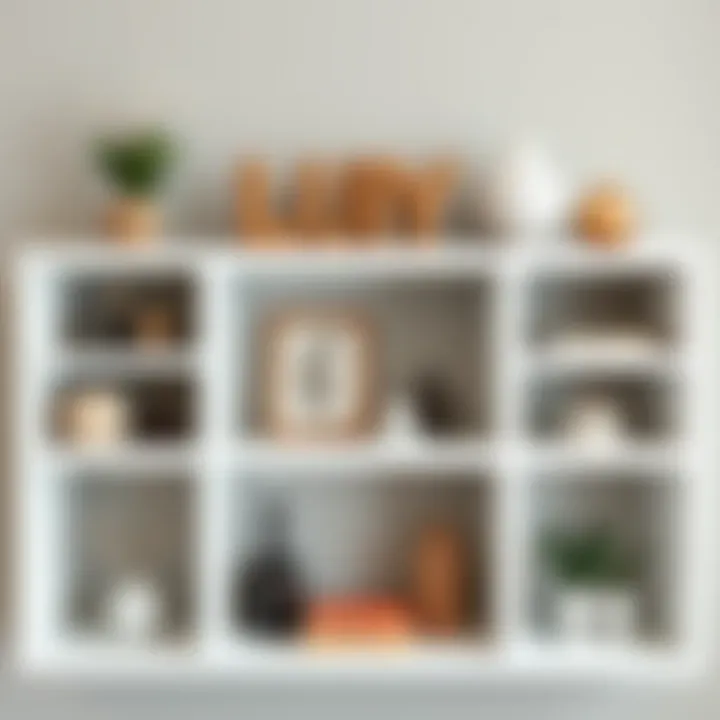
Square shelving is defined as a shelving unit that features a series of square compartments, each capable of hosting items ranging from books to decorative pieces. The basic purpose of these structures is to facilitate organization while offering a canvas for personal expression. They can be freestanding or wall-mounted, catering to diverse spatial demands.
In practical terms, square shelves optimize vertical space, thus helping to keep clutter at bay, especially in urban dwellings where every inch counts. Moreover, the uniformity of square shapes allows for a structured look, making it easier to arrange items in an eye-catching fashion. This makes square shelving an indispensable piece in any interior design toolkit.
Historical Context
Historically, the concept of utilizing shelves can be traced back to ancient civilizations, where they served functional purposes in various environments, from homes to temples. They weren’t always as refined as today’s square shelves. Early shelves were often rudimentary, crafted from available materials such as wood or stone.
The transition into more styled square shelves began to take shape during the 19th century with the advent of the industrial revolution. Mass production introduced new materials and designs, leading to shelves that not only served a purpose but also reflected the decorative styles of the time. By the mid-20th century, modernist movements embraced minimalism, resonating with the square shelf's sleek silhouette.
The historical evolution of square shelving showcases a blend of utility and art that continues to define its purpose today. Now, with a plethora of styles, materials, and designs available, these shelves have become a staple, offering both function and flair in contemporary interiors. For further reading on the historical aspects of furniture design, you may refer to Britannica.
"Good design is in the details, and square shelving perfectly illustrates this notion by marrying form and function."
Understanding square shelving's definition and historical evolution is essential for discerning patrons eager to enrich their spaces. This foundation leads naturally into considerations of design, functionality, and aesthetics, which will be explored in subsequent sections.
Design Considerations
The design of square shelves is not just about functionality; it's a key element in how a space is perceived and utilized. As we delve into the world of square shelving, various considerations come into play, influencing choices in shapes, materials, and overall configurations. Understanding these aspects ensures that homeowners, designers, and retailers can select options that are not only visually appealing but also highly functional.
Shapes and Configurations
Single vs. Multiple Shelves
When contemplating square shelving, one must first consider whether to opt for single or multiple shelves. Single shelves have a distinctive uncomplicated character. They often serve as standalone pieces, ideal for minimalistic spaces, allowing for a clean and uncluttered aesthetic. The appeal of a single shelf lies in its ability to become a focal point. Multiple shelves, conversely, offer greater flexibility and versatility. They can be arranged in various configurations, transforming a blank wall into a dynamic display area.
While single shelves work beautifully in small nooks or against a vibrant wall, multiple shelves can effectively maximize storage and display options without taking up valuable floor space. However, it's essential to strike a balance; overloading a multi-shelf unit can lead to visual chaos, detracting from its intended purpose. The unique feature is the ability to mix and match sizes among multiple shelves, creating an interesting visual rhythm that enhances any room.
Arrangement Patterns
The way shelves are arranged can drastically affect how a space feels. Common arrangement patterns include linear setups, grouping by size, or even random placements. Linear arrangements keep things orderly and offer a structured look, while grouping often leads to a more curated and casual vibe. It's also trendy these days to see asymmetrical patterns, which bring unexpected dynamism and energy to a room.
Arranging shelves in a thoughtful pattern capitalizes on the eye's natural movement around a space. For instance, staggering heights or widths can guide the viewer’s gaze, encouraging exploration of the array displayed. On the downside, without a clear pattern, shelves can seem haphazard or cluttered, which is not the intended effect.
Symmetry vs. Asymmetry
In design, symmetry is often associated with balance and proportion. When applied to square shelving, it can evoke a sense of order and harmony in a room. An arrangement where shelves mirror each other can create a unified aesthetic, benefitting spaces that aim for a more formal look. On the flip side, asymmetrical designs can inject a degree of liveliness and modernity into an environment. This style invites creativity and allows for a play of different objects in size, texture, and color.
Choosing between symmetry and asymmetry should align with the overall vibe you wish to achieve. Symmetry tends to favor traditional decors; however, asymmetry can invigorate modern spaces. Both designs present unique advantages. Symmetrical arrangements speak to a sense of calm and control, while asymmetrical ones encourage spontaneity and personalization.
Material Selection
Wood Options
Wood remains a favored material choice for square shelving due to its warmth and timeless appeal. Different types of wood, such as oak, walnut, or pine, not only vary in appearance but also in durability and overall aesthetic. Oak, for instance, is robust and lends itself to a more rustic feel, while a lighter pine can work wonders in modern or Scandinavian designs.
Wood provides a sense of natural elegance that can complement any décor. However, it's essential to consider the weight requirements against the wood's characteristics. Heavier items may require sturdier woods, while lighter options can free up space visually. One drawback might be susceptibility to moisture—care and regular maintenance can prolong the lifespan of wood shelves and keep them looking fresh.
Metal Frames
Metal frames introduce a contemporary edge to square shelves, particularly in urban lofts or industrial settings. The strength of metal offers unparalleled support compared to other materials, making it an excellent choice for heavier items. Designs featuring black or brushed metal can lend a modern chicness, pairing beautifully with various décor styles.
The downside here is perhaps the coldness that metal can sometimes bring to a space. However, when mixed with wooden elements or soft goods, this can neutralize the effect. Another consideration is that metal might not be the best insulator, so think about placement in rooms with varying temperatures.
Glass Shelving
Glass shelving has become increasingly popular in modern interiors due to its almost ethereal quality. Creating an open and airy feel, glass can make a room appear larger and lighter. Often used in display cases, glass shelves work best for showcasing delicate décor items, allowing them to shine unobstructed.
However, practicality is key here. Glass is fragile and can require careful handling during installation and use. It's not typically suited for storing heavy items, which might risk breakage. Nonetheless, glass shelves’ unique feature lies in their ability to blend seamlessly with any interior style while adding a touch of sophistication.
Let’s conclude here; the design considerations for square shelves involve a mix of differing attributes that can profoundly alter the character of a space. By understanding the intricacies of shapes, materials, and arrangements, one can create a harmonious balance between functionality and aesthetics.
In the world of interior design, layers of thoughtfulness can transform mundane shelving into artful statements.
Functional Applications
When it comes to square shelves, understanding their functional applications is paramount. These shelves should not merely serve as decorative pieces but rather as essential components of a well-organized living space. From efficient storage systems to stylish display areas, the functional uses of square shelving can cater to various needs. In this section, we will explore different functional applications of three square shelves, focusing on their practicality and versatility.
Storage Solutions
Utilization in Small Spaces
Utilizing three square shelves in compact areas can result in a major boon. This application takes creativity and efficiency to the next level, especially in environments where space is at a premium. You might find these shelves in studio apartments, dorm rooms, or any nook that begs for an organized touch. The characteristic of maximizing vertical space is something many homeowners cherish. With the right arrangement, three square shelves can turn an often-overlooked corner into a stylish storage solution. A unique feature worth noting is their ability to keep the floor clear, thereby enhancing the perception of space. However, you need to be aware of the potential disadvantage; overstuffing these shelves can lead to clutter, which defeats their purpose.
Maximizing Vertical Storage
Maximizing vertical storage through three square shelves is like hitting two birds with one stone. This method prioritizes floor space while playing with height, making it an appealing choice for various living environments. The standout characteristic of vertical storage is its ability to pull the eye upwards, creating an illusion of higher ceilings. Often chosen for areas needing to make every inch count, such as small homes, offices, or even tiny workspaces, vertical storage is multifunctional. A unique angle here is how it allows for easy accessibility—items can be stacked and arranged for both practicality and aesthetics. On the flip side, stacking too high may make it challenging to retrieve those items at the top, which might impose certain limitations.
Hidden Storage Options
Hidden storage options using three square shelves can be a game changer for many homeowners who value both style and functionality. This concept revolves around cleverly concealed compartments or additional shelves within the original structure of the shelving unit. One key characteristic is their ability to maintain a clean, uncluttered look while effectively hiding away items that don't quite fit the aesthetic of a room. This method is often favored in open-concept living spaces, where visual chaos can detract from the overall aesthetics. A unique feature here is that hidden storage can lead to a more organized environment, helping to manage everyday clutter. However, the potential downside to consider is that without proper labeling or knowledge of what's where, one can easily forget what they have tucked away.
Display Functionality
Showcasing Art and Decor
Square shelves allow homeowners to showcase art and decor in a manner that is both chic and functional. This application transforms the walls into a gallery space, offering opportunities to display unique items and personal pieces. A hallmark feature is the flexibility in arranging these shelves to highlight specific pieces, creating a visual narrative in your home. This method is popular among designers and homeowners alike, as it adds character and personality to living spaces. The unique advantage lies in the ability to frequently change what you display, keeping the decor fresh and reflective of your evolving taste. On the downside, if not curated thoughtfully, the arrangement can appear chaotic rather than curated.
Books and Media Storage
When it comes to books and media storage, square shelves can serve as a sanctuary for your literary and entertainment collections. This function is especially important in homes where reading and media consumption are prevalent. A primary characteristic of this application is the variety of configurations that accommodate different book sizes and media types. Homeowners benefit from easy access to their collections while ensuring that they are neatly organized. A noteworthy feature is the potential for decorative boxes or inserts that could hold smaller items—like DVDs or game controllers. Keep in mind; however, if the shelves are filled to capacity, it may detract from the aesthetic, creating more of a haphazard appearance.
Plants and Greenery
Finally, using three square shelves for plants and greenery adds both life and vibrancy to the interior space. This approach can be particularly appealing to those who love nature but may not have direct access to outdoor green spaces. The characteristic of bringing the outdoors inside is not just visually striking but also promotes well-being. Homeowners appreciate the freshness that plants contribute, helping to purify the air and boost mood. One unique aspect of utilizing these shelves for plants is the opportunity to create tiered arrangements, enhancing visual interest. Conversely, it’s essential to consider watering and care. Plants require proper drainage and attention, which might lead to some clutter if not managed well.
Overall, the functional applications of three square shelves extend beyond mere utility; they offer innovative solutions for storage and display, allowing homeowners to maximize their space while reflecting personal style.
Aesthetic Contributions
When discussing square shelving, the aesthetic contributions to a space cannot be overlooked, as they play a significant role in defining the character of an interior. Square shelves serve more than just a storage purpose; they can transform a room's ambiance and style. By selecting the right design elements, homeowners and designers can create a visually appealing environment that reflects personal taste while ensuring functionality.
Enhancing Interior Style
Modern Minimalism
Modern minimalism is characterized by its clean lines and uncluttered spaces. This design approach emphasizes simplicity and a sense of order, making it a popular choice among contemporary decorators. Square shelves can enhance this style, providing a pure and unobstructed way to display everyday objects. The key characteristic of modern minimalism is its focus on essentials and the elimination of excess. With square shelves, one can keep decor streamlined, allowing each piece to stand out without competing for attention.
One unique feature of modern minimalism is its ability to create calming atmospheres through neutrality and simplicity. However, it may risk appearing too sterile if not balanced with warmth, such as adding personal artifacts or plants.
Eclectic Trends


On the other hand, eclectic trends offer a vibrant canvas for creativity. This style amalgamates various influences and can feel deeply personal. Square shelves facilitate this trend brilliantly by acting as a backdrop for a mix of vintage pieces, artisanal crafts, and modern artworks. The eclectic style’s hallmark is its playful combination of colors, textures, and forms, allowing for boundless personalization.
The unique feature of this approach is its ability to tell a story through the displayed items. However, care must be taken to avoid clutter, as too many mismatched elements may disrupt harmony rather than promote it.
Rustic Charm
Rustic charm embodies warmth and authenticity. It is often found in countryside homes but has steadily gained traction in urban settings as well. Square shelves, especially those made of reclaimed wood, can enhance this charm significantly. The key characteristic of rustic charm lies in the celebration of imperfection and natural materials. Utilizing square shelves in this style can create an inviting aura, combining rugged textures and earthy palettes.
One advantage of rustic charm is its ability to foster a sense of nostalgia and comfort. However, it may not always suit polished or modern interiors, potentially clashing with sleek design elements.
Color and Texture Integration
Color Schemes
Color schemes are vital in establishing mood and harmony in any space. When integrating square shelves, the choice of colors can drastically affect the overall aesthetic. A harmonious color scheme, whether monochromatic or contrasting, helps tie different elements together. Square shelves painted in soft pastels can enhance a calm and inviting atmosphere, while bold colors can inject energy into a room.
One notable feature of these schemes is their emotional resonance. For example, warm tones may evoke feelings of comfort, while cool colors may promote tranquility. Nonetheless, balancing colors is essential to prevent any one aspect from overpowering the room’s mood.
Contrasting Textures
Contrasting textures also contribute significantly to aesthetic appeal. By pairing smooth, sleek shelves with textured objects like woven baskets or potted plants, designers can create visual interest. This technique enhances the depth of a space. A square shelf that offers a smooth surface can act as an excellent stage for textured decor, fostering a rich tactile experience.
The advantage of integrating contrasting textures lies in its ability to create a dynamic, inviting environment. However, it’s crucial to maintain cohesion; otherwise, the space can come off as chaotic.
Coordinating with Other Furniture
Coordinating square shelves with existing furniture provides an opportunity for cohesion throughout a room. Through careful selection of complementary pieces, homeowners can create a consistent design language. Furniture styles, colors, and shapes should harmonize with the square shelves to ensure visual integrity.
A unique feature of this coordination is that it allows for various design opportunities; shelving units can serve as transitional elements between distinct areas of a space. However, if oversights occur during this process, the overall design can feel disjointed.
When chosen thoughtfully, square shelves become an integral part of a room’s narrative, contributing to both the aesthetics and functionality of the space.
Installation and Maintenance
Understanding the installation and maintenance of square shelves is crucial for maximizing their utility and visual appeal. It goes beyond merely putting shelves on the wall or arranging them in a room; it involves considering how they are secured, maintained, and cared for over time. Proper installation ensures stability and safety, which are essential for displaying items of varying weight and size. On the maintenance side, having a regular upkeep routine can prolong the life of your shelving units, keeping the space looking fresh without any hindrance.
Mounting Options
Wall-Mounted Solutions
Wall-mounted shelves are a favored option for many homeowners and designers. They offer a sleek appearance, saving floor space while providing ample storage and display capabilities. Key characteristics of wall-mounted options include their ability to visually expand a room, making it seem larger than it actually is. These types of shelves keep items off the floor, reducing clutter and enhancing accessibility. One benefit to wall-mounted solutions is their adaptability to different room styles; from modern to rustic, they can seamlessly blend in. A unique feature to consider is that wall-mounted units can be set at various heights, accommodating both decorative and functional needs. However, mounting does require secure installation to avoid any risks of items falling and creating safety hazards.
Freestanding Units
Freestanding units provide a different flair. They’re versatile and can be relocated easily, allowing homeowners to experiment with arrangements without the limitations of wall placement. One key feature of freestanding shelves is their inherent flexibility; they can serve various functions, whether as bookshelves in a study or decorative displays in a living room. This type of shelving works particularly well in larger spaces, where they can anchor a room without overwhelming it. A notable advantage is that there’s no need for tools or drilling into walls, making them a popular choice for renters or anyone hesitant to commit to permanent fixtures. The downside, however, lies in their space requirements; in compact areas, they might consume more floor space than wall-mounted options.
Space Optimization
Space optimization refers to the effective use of available space through strategic shelving solutions. The introduction of square shelves can significantly enhance how you utilize vertical and horizontal areas within a room. A key aspect of space optimization is the ability to showcase decor while storing items out of sight, which makes your space feel more organized and airy. By stacking or arranging three square shelves in a way that draws the eye upward, homeowners can create a sense of height in the room. An innovative feature of this practice is using differently sized square shelves together, allowing for a dynamic visual effect. However, the challenge often includes ensuring that the layout doesn’t appear cluttered or chaotic, so careful planning on placement is essential.
Care and Maintenance
Cleaning Techniques
Regular cleaning techniques are paramount for preserving both the aesthetic and structural integrity of your shelves. Dust and debris can accumulate easily, so a simple routine of dusting every few weeks can keep the shelves looking sharp. A microfiber cloth works wonders as it captures dust without scratching surfaces. The key characteristic here lies in the proper choice of cleaning products; using something gentle is beneficial, as harsh chemicals can damage materials over time. It’s also a good practice to occasionally deep clean your shelves with a mild soap solution, especially if they are frequently used to hold food items or drinks. One downside to keep in mind might be that occasionally, shelves require a little more effort to maintain than they seem at first glance, especially if they are placed in high-traffic areas.
Stability Assessments
Conducting periodic stability assessments may not be something that comes to mind immediately, yet it’s crucial for safety. Over time, shelves can become loose or even misaligned, particularly wall-mounted types. A regular check-up includes verifying that mounting brackets are secure and that the slots are correctly aligned. Regular assessments decrease the risk of suffering accidents from shelves that may not hold heavier items securely. A key feature of these assessments is their simplicity; often, they only require a quick visual and physical check. Despite their importance, homeowners might overlook this step, which could lead to larger issues down the line.
Periodic Maintenance Tips
Periodic maintenance tips can help keep your square shelves in good condition for years. Simple things, like refreshing the finish with a suitable polish or sealant, can rejuvenate the look of wooden shelves. Checking for signs of wear, such as scratches, dents, or staining, can be beneficial, too. Establishing a regular schedule for these tasks can make maintenance feel more manageable. An unusual point to consider is to rotate decorative pieces every so often, keeping the aesthetic fresh while allowing you to inspect the shelves for damage. There can be a downside to not incorporating a maintenance plan, as neglect may lead to deterioration.


Always remember, well-maintained shelves not only enhance beauty but also ensure safety in your space.
Trends in Square Shelving
The world of square shelving has seen remarkable changes in recent years. Understanding these trends is not just an aesthetic pursuit; it is about aligning functionality with style. These trends reflect a broader cultural shift towards sustainability, multifunctionality, and technological integration in home design. The rising awareness about environmental issues and the need for efficient spaces proves that consumers and designers alike are gravitating towards solutions that offer both beauty and practicality. This section dives into these contemporary trends and examines future possibilities.
Current Design Trends
Sustainable Materials
Using sustainable materials in shelving is no longer a niche preference; it's become a popular choice. One key characteristic is the use of environmentally-friendly resources such as reclaimed wood, bamboo, and recycled metals. These materials do more than just contribute to the health of the planet; they often come with unique textures and colors, adding visual interest to your space. The charm of reclaimed wood, for instance, provides a rustic vibe, while bamboo brings warmth and modernity. However, sourcing sustainable materials may sometimes lead to higher costs and availability concerns, yet many find that the long-term benefits far outweigh these challenges. In this context, opting for sustainable materials reflects a conscious lifestyle choice.
Multifunctional Designs
The importance of multifunctional designs cannot be understated. As urban living spaces continue to shrink, having furniture that serves various purposes is increasingly valuable. Multi-tiered square shelves that function not only as storage but also as room dividers or display areas cater to versatile needs. This adaptability is a major selling point. For example, a shelf that accommodates books and also serves as a plant holder or a display for photo frames maximizes space while reducing clutter. However, with great versatility comes complexity in design; finding a balance between functionality and aesthetic appeal can be a challenge for designers and homeowners alike.
Tech-Integrated Shelving
Tech-integrated shelving represents an exciting shift in how we think about furniture in our homes. With the rise of smart homes, installing shelving that can house charging stations for electronic devices or incorporate smart lighting elements has gained traction. One significant feature of these innovative shelves is embedded wireless charging pads, which eliminate the need for numerous cords and chargers. While tech-integrated shelving can elevate the functionality of a space, it can also present issues around compatibility with various devices and potential electrical hazards. Nonetheless, as smart home technology evolves, so too will the integration opportunities in shelving.
Future Perspectives
As we consider what lies ahead in square shelving, several aspects emerge as particularly promising.
Smart Shelving Solutions
Smart shelving solutions point towards a future where design is enhanced by connectivity and data. One of the key characteristics is their ability to monitor weight loads and alert users via apps when it's time to reorganize or declutter. Such aspects not only help in maintaining the integrity of the shelving but also promote intentional living. Although still an emerging concept, the advantages of these systems are clear: they help to keep spaces organized while potentially reducing accident risk. However, this technology may require a steep learning curve.
Customization and Personalization
In a world that celebrates individuality, customization is becoming more mainstream in furniture design. Custom shelves allow homeowners to tailor the size, color, and layout to suit their tastes and needs perfectly. This element of personal expression strengthens the relationship one has with their living space, leading to greater satisfaction. Yet, the trade-off often involves higher costs and longer lead times, which might not be feasible for everyone.
Advancements in Manufacturing
Lastly, advancements in manufacturing techniques promise to change how square shelving is produced. Techniques such as 3D printing allow for unique designs that were previously difficult to attain. These manufacturing methods can reduce waste and facilitate rapid prototyping of new ideas. However, while this innovation opens doors for creativity, one must consider the implications on price and the quality of materials used. With time, though, it’s likely that manufacturing costs will decrease, making innovative shelving more accessible.
The intersection of design, technology, and sustainability is shaping the future of shelving in ways that could redefine our living spaces entirely.
Ultimately, staying informed about these trends will arm you with the insights needed to select shelving that is not only functional but also reflects your values and tastes in a rapidly evolving world.
End
The conclusion of any piece carries weight, especially when discussing a subject as multifaceted as square shelving. Here, we encapsulate the essence of what has been discussed throughout the article, focusing on the myriad advantages of utilizing three square shelves in various settings. From serving as stylish storage solutions to enhancing aesthetic appeal, square shelves do much more than hold items; they can transform an entire space.
A critical insight is the adaptation of these shelves to fit various home styles. Whether you lean towards a minimalist design or prefer vibrant eclectic decor, three square shelves can seamlessly integrate, making them a flexible choice. Beyond mere looks, their utility in maximizing space—especially in smaller homes—cannot be understated. Investing in well-designed shelving can alleviate clutter while showcasing cherished items, ranging from books to decorative pieces.
Furthermore, we observe a trend toward customization, wherein homeowners want shelves that reflect their personality. The option for unique configurations and materials allows for personal expression. Selecting the right shelves is not merely a matter of aesthetics; it involves thoughtful consideration of functionality, durability, and contribution to the overall ambiance of one’s living space.
"A well-placed shelf not only holds the weight of your belongings but also supports the character of your home."
In sum, the thoughtful selection and positioning of three square shelves can lead to remarkable changes in your environment, promoting both functionality and visual delight. Engaging with these elements can be a significant step towards transforming interiors into more inviting and organized spaces, thus enhancing our daily experiences in them.
Summary of Key Insights
In reviewing the varied discussions surrounding three square shelves, several key points emerge:
- Versatile Designs: Square shelves can adapt to complement various interior styles, making them a universally appealing option for homeowners and designers.
- Space Maximization: These shelves are particularly effective in smaller living areas, helping to utilize vertical space effectively.
- Aesthetic Touch: They serve not just a functional purpose but also elevate the aesthetic quality of a room, allowing for personal expression through decor choices.
- Material Variety: The diverse range of materials enhances durability and appeal, from wooden classic designs to modern metallic frames.
- Customization Potential: The option for customizing styles and configurations encourages homeowners to reflect their personal taste in their living spaces.
By understanding these insights, one can make informed decisions regarding the integration of three square shelves into their homes, effectively striking a balance between aesthetics and functionality.
Encouragement for Thoughtful Selection
As we wrap up our exploration of three square shelves, it is essential to emphasize the value of thoughtful selection. With many options out there, taking the time to choose the right design, material, and configuration can make all the difference in how these shelves contribute to your space.
Consider your existing decor and how new shelves can complement it. Do you prefer a cohesive look that blends in, or would you rather make a bold statement? It's about finding a balance that suits your personality and lifestyle. Also, think practically about your storage needs. If you have numerous books or collectibles, ensure the shelves are sturdy and appropriately sized to bear their weight.
Additionally, explore eco-friendly materials if sustainability is a priority for you. Modern designers are creating beautiful squares using sustainable woods or recycled materials that not only function well but also support a greener environment. Prioritize quality over quantity. It’s far better to have fewer, high-quality shelving units than many mediocre ones that wear out quickly.
In the end, your shelves should not only reflect your style but also enhance the utility and comfort of your living environment.