
Essential Insights on Infant Booster Chairs for Parents


Intro
When it comes to nurturing our little ones, every parent or caregiver wants nothing but the best. That’s where infant booster chairs come into play. These chairs not only provide a safe and comfortable seat for toddlers during meal times but also play a crucial role in developing good eating habits and social skills from an early age. In today’s world, there’s a myriad of options available, making it essential to understand what features matter most when choosing the right model.
Booster chairs vary tremendously in design, function, and safety features. However, the core principles guiding their use remain consistent: safety, comfort, and practicality. While some designs hark back to traditional standards, many now embrace modern aesthetics and enhanced functionality, catering to both the child’s needs and the parents' tastes.
In this comprehensive guide, we will explore the various elements associated with selecting the ideal booster chair. From the designs that are currently trending to practical advice on maximizing space and opting for sustainable choices, we will provide a thorough analysis. This guide aims to empower parents and caregivers to make well-informed decisions while ensuring their children dine safely and comfortably.
Infant booster chairs serve as more than just a tool for elevating a child to the dining table. They're an invitation for family interaction, a means for fostering independence, and a piece of furniture that embodies modern design principles. As we embark on this exploration, let’s delve deeper into the world of infant booster chairs, examining what truly makes them an essential part of early childhood dining.
Prolusion to Infant Booster Chairs
When you step into the world of parenting, you quickly realize how vital the right tools can be for your little one’s development. Infant booster chairs are one of those essential items that can make a significant difference during mealtime. They’re not just simple seats; they signify a step towards independence for your child and facilitate moments of family bonding.
Defining Booster Chairs
Booster chairs, typically designed for children who have outgrown high chairs but aren’t quite ready for standard dining chairs, serve a crucial role. These are elevated seats that can adjust a child’s height, ensuring they can comfortably reach the table. Functionality varies widely—some models may feature straps for added safety, while others focus on portability.
What makes a booster chair unique is its adaptability. It can be used both in the home and on the go, making it an invaluable ally for busy parents. Whether you’ve got a family gathering or just a casual dinner, these chairs bridge the gap between high chairs and adult seating, allowing children to join in on meals with the family.
Historical Context and Evolution
The concept of booster seating has a rich history that dates back several decades. Originally, they were simple wooden boxes or foam cushions placed on traditional chairs, often home-made and functional rather than stylish. However, as lifestyles evolved, so did the designs of booster chairs.
Today’s market reflects a diverse landscape. Manufacturers have innovated by incorporating materials that prioritize safety and ease of cleaning. Designs range from minimalistic and chic to fun and colorful, appealing to both parents and children alike. Some old-school chairs have transformed into fashionable additions to modern kitchen decor, often blending seamlessly with the aesthetics of a home.
The evolution of booster chairs pushes the boundaries beyond mere functionality; they are now considered a statement piece in many households. They blend safety with style, allowing parents to maintain a cohesive look in their dining areas while catering to their child's needs.
In summary, understanding the origins and developments in booster chair design not only provides insight into their practical applications but also highlights their role in enriching family life. In a time when shared meals are increasingly important, these seats represent more than just a place to sit—they symbolize the progression of childhood independence and family connection.
Importance of Infant Booster Chairs
Infant booster chairs play a vital role in the growth and development of young children. It’s not merely about having a place for them to sit during meals; these chairs contribute significantly to several areas of a child’s life. From fostering independence to nurturing better family interactions, these seats are pivotal tools in the parenting toolkit. Understanding the importance of these chairs can help caregivers make informed decisions that directly impact the well-being of their little ones.
Facilitating Independent Eating
One of the standout benefits of booster chairs is their ability to promote independent eating. When kids have a designated seat at the table, they feel included and empowered. This feeling of independence is crucial for their confidence and self-esteem. Allowing children to eat on their own encourages them to explore new foods and learn essential skills like using utensils and chewing properly.
Eating independently also helps children gauge their hunger cues better. They begin to understand when they are full or still hungry, cultivating healthier eating habits as they grow. Moreover, being up at the table, as opposed to in a high chair or strapped to a chair, allows them to engage with family members, witness real-life interactions, and mimic adult behavior. And let’s face it, who doesn't want to feel like a grown-up, even if it’s just for dinner?
Enhancing Family Meal Interactions
Family meals are not just about eating; they are opportunities for interaction and bonding. Infant booster chairs serve as a bridge connecting young children to the heart of family life – the dining table. By positioning children at table height, these chairs make it easier for everyone to communicate. Kids can hear stories, share their day, or even pitch in with the meal prep. In a way, they become a part of the conversation, and it matters.
Further, having a child at the table helps foster a sense of inclusion within the family unit. Parents are more likely to encourage kids to participate in discussions, fostering their communication skills. As conversations flow, children pick up on language nuances and social skills that may not be as easily absorbed from a distance.
"A moment at the dinner table can lay the groundwork for a lifetime of conversational skills and family traditions."
For many families, mealtime traditions are sacred, and including children in these rituals helps solidify bonds. It turns a simple meal into a memorable event. Children learn to express gratitude, share thoughts, and even collaborate on meal planning, which can prompt a lifelong appreciation for the importance of communal eating.
By embracing the use of booster chairs, families are not just providing a seat but are enriching a child's overall development and family dynamics, ensuing the offspring of today grow into well-adjusted adults. The choice of an infant booster chair should not be taken lightly, as it cultivates a fundamental aspect of a child's early experience. In the larger scope of parenting, these small seats can influence monumental growth.
Key Features to Consider
When it comes to choosing an infant booster chair, various aspects must be weighed to ensure the best decision is made for safety, comfort, and usability. These key features do not just enhance the chair's functionality; they can significantly influence the child’s dining experience. Parents and caregivers should have a sharp eye on certain elements that stand out in different models of booster chairs.
Safety Standards and Regulations
It can’t be stressed enough how crucial safety is when dealing with children. Safety standards often set by various regional and national regulations guide manufacturers in creating chairs that enthuse confidence among parents. Look for chairs that adhere to recognized safety benchmarks like the Consumer Product Safety Commission (CPSC) in the U.S. or similar organizations elsewhere. Proper labeling should indicate compliance with these standards.
Here are some key safety features to check for:


- Three-point or five-point harnesses: These harnesses help keep the child secure while also allowing for some movements. Always opt for a model that has a sturdy and adjustable harness.
- Stable base: A wider base can prevent tipping over. This feature is often overlooked, but it’s essential to keep little ones steady during meals.
- Non-toxic materials: Given that infants tend to explore everything with their mouths, ensuring the materials used are free of harmful chemicals is paramount. Look for BPA-free plastics or certified wood options.
"A safe booster chair allows for peace of mind, letting parents focus on the joy of shared meals rather than worries about what could go wrong."
Adjustability and Versatility
Not every family has the same needs, and children grow at their own pace. An adjustable booster chair can ease parents' worries as their babies transition through different growth stages. Chairs with multiple height levels can be helpful in moving the chair from dining to different spaces within a home.
Consider these adjustability features:
- Height settings: A chair that can raise or lower helps ensure that your child can sit comfortably at the table.
- Transformability: Some boosters can convert into a chair for toddlers or a regular dining chair, making them more versatile. This could cut costs down in the long run as one item can cater to multiple needs.
- Lightweight and portable: If you travel or dine out often, a lightweight or foldable chair becomes a necessity. It should not only offer versatility at home but function smoothly during trips.
Comfort and Support Features
Although security is paramount, it’s equally important that the booster chair is comfortable for infants. Children are not just looking for a place to sit; they need adequate support to encourage a positive eating experience. Comfort features can range from the design of the seat to padding and materials used.
When choosing for comfort, consider the following:
- Padded seats: Soft cushioning can make sitting for a longer duration more pleasant.
- Ergonomic design: A chair that supports the natural curve of a child’s back can contribute to a better posture during meals.
- Removable covers: Look for booster chairs with removable, washable covers. This simplifies cleaning spills and messes—a common occurrence during mealtime.
As you sift through the myriad of options available, understanding these key features can maximize the benefits of an infant booster chair, ensuring not just safety, but comfort and adaptability as your child grows. Selecting with an eye towards versatility, adjustability, and safety standards cultivates an environment conducive to enjoyable dining experiences that enhance family bonding.
Types of Infant Booster Chairs
Understanding the various types of infant booster chairs is pivotal for parents and caregivers. Having options means being able to find a chair that fits not just the child, but the lifestyle and needs of the family. Each category of chair serves a unique purpose, and discerning these differences allows for better decisions in purchasing and functionality. Let's delve into the types that make up this essential furniture for early childhood dining.
Traditional Booster Seats
Traditional booster seats are classic options designed to elevate a child's height at the dining table. These chairs typically consist of a secure base with a height-and-width adjustable structure, aiming to accommodate children as they grow. Parents find these chairs particularly beneficial because they often fit snugly on regular non-stacking dining chairs, providing a compact solution that takes up minimal space.
When selecting a traditional booster seat, safety should be top of mind. Many models feature safety straps to secure the chair to the adult chair, ensuring stability during mealtime. Additionally, they often have a padded seat for comfort, which can be crucial for toddlers who may still be adjusting to longer periods of sitting.
Parents can easily find these chairs in various materials—from sturdy plastics to more upscale wood finishes, offering an array of choices in aesthetics. Perhaps one downside is that some models can be difficult to transport if needed for outings, but they generally serve well for home use.
Foldable and Portable Options
Foldable and portable booster seats have gained popularity for their convenience. Ideal for families on the go or those with limited storage space, these designs often feature a collapsible frame that allows for easy handling. Many of these options secure directly to adult chairs or can stand alone, offering flexibility across varied environments.
Benefits of foldable and portable booster chairs include:
- Travel-Friendliness: These models can fit effortlessly into a car trunk, making them perfect for vacations or visits to family.
- Lightweight Design: Parents appreciate how easily they can be lifted and positioned wherever needed, from home to picnics.
- Storage Efficiency: When not in use, it’s easy for these seats to fold compactly away.
However, while portability makes them enticing, it's critical to ensure that folding mechanisms are robust and safe to avoid any mishaps during use. Regular checks on the hinges and clips will go a long way in maintaining safety.
High Chairs with Booster Features
High chairs that include booster features combine the best of both worlds—offering a complete high chair experience while also transforming into a booster when needed. This versatility is a big draw for many families, as these chairs can be adapted as children grow from infancy through early toddler years, really extending the product's usability.
A significant advantage of this type is that they often come with a variety of settings for adjusting height and reclining positions, making feeding time comfortable for both child and parent. These hybrid chairs sometimes feature removable trays, which adds to the convenience during meal prep and clean-up.
However, those considering such an investment should be mindful of the chair's footprint. They can take up more space than standard booster seats, which might not be ideal for smaller dining areas. Keeping this in mind will enhance the mealtime experience at home by ensuring a snug, secure setup.
"Selecting the right type of booster chair not only influences the child's comfort during meals but also impacts the overall family dining experience."
As you explore options for infant booster chairs, understanding the distinctions among traditional, foldable, and high chair-integrated features will help you match the best model with family needs and lifestyle. When you visualize these choices side-by-side, it becomes easier to recognize how each category caters to different situations while providing safety and comfort for those precious moments at the dinner table.
Material Considerations
When choosing an infant booster chair, understanding the materials used in its construction is vital. The choice of material impacts not only the durability and safety of the booster chair but also its maintenance and overall aesthetic appeal. Parents and caregivers must consider how these materials will fit into the daily routine and environment of the child.
Plastic vs. Wood Structures
In the world of infant booster chairs, you often see a divergence between plastic and wood structures. Each material comes with its pros and cons, which can heavily influence your decision-making.
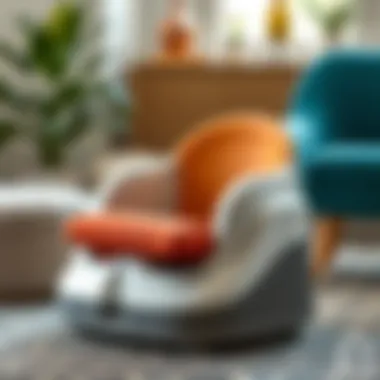

Plastic chairs tend to be lighter, making them easy to transport or adjust around the house. Additionally, they come in a variety of colors and designs, appealing to both children and parents alike. However, one might consider the potential off-gassing of some plastics, raising concerns about harmful chemicals.
On the flip side, wooden booster chairs offer a classic look and impressive stability. They typically have a sturdier feel, which can inspire confidence in usage. Yet, they're often heavier, making them less portable than their plastic counterparts. Furthermore, the cost can be a little bit higher, and maintenance might involve polishing or varnishing over time to keep it looking fresh.
"Choosing between plastic and wood is not just about preference; it’s about safety, convenience, and the journey of your child’s dining experience."
Ease of Cleaning and Maintenance
Keeping a booster chair clean is a priority for guardians, especially when it is used for feeding. This leads us into the discussion of cleaning and maintenance related to the materials involved in a booster chair's build.
Plastic booster chairs generally benefit from their ease of cleaning. Most stains can be wiped away with a damp cloth and mild detergent, effectively removing those stubborn food remnants left after mealtimes. They are less likely to absorb spills or messes, making them a preferred choice for many parents.
On the other hand, wooden chairs can present a challenge. While they may be aesthetically pleasing, they often require more effort to clean. Food particles can get caught in crevices or underneath finishes. This may lead to the accumulation of grime if not cleaned regularly. To maintain a wooden booster chair, a gentle cleaner that’s suitable for wood is preferable, often accompanied by a soft cloth to avoid scratches.
In summary, when considering material choices for infant booster chairs, factoring in the maintenance level is crucial. A popular choice among busy parents might be plastic for sheer convenience, while those who adore aesthetics may lean towards wood. Ultimately, the right material balances functionality with personal taste, paving the way for a positive dining experience.
Styling and Design
Styling and design play a pivotal role when it comes to selecting an infant booster chair. Beyond merely serving a functional purpose, these chairs occupy a physical space that can influence the overall ambiance of a home. Parents today are more conscious of aesthetics, looking for options that not only cater to their child's needs but also integrate well with their existing decor. The idea here is to meld utility with aesthetic appeal, creating a synergy that enriches both the dining experience and the home environment.
Aesthetic Integration with Home Decor
When it comes to aesthetic integration, choosing the right booster chair is all about harmonizing with your home’s style. Whether it’s a rustic farmhouse vibe or a sleek modern design, the options available are impressive. Here are a few key points to consider:
- Material Compatibility: Wooden chairs can blend seamlessly with traditional interiors, while metal and plastic structures may suit modern or industrial spaces beautifully.
- Color Schemes: Select colors that complement your home’s palette. A soft grey or muted blue can add sophistication, while vibrant colors might bring energy and joy into the room.
- Design Style: Pay attention to the design styles of your existing furniture. If your dining area features minimalist, clean lines, opting for a minimalist booster chair can prevent visual chaos.
Balancing functionality and design might seem tricky, but the right chair can stand as an accent piece rather than an eyesore. Adding a booster chair that visually resonates with the space can elevate the look of the entire dining area, making it more inviting.
Color and Pattern Choices
Color and patterns are not just decorative elements; they carry emotional significance and can impact a child's mood during meal times. Choosing the right hues and designs is essential, especially since infants respond positively to bright, engaging colors. Here are some aspects to keep in mind:
- Bright Colors: Bright reds and yellows can be stimulating, sparking a child’s curiosity, but they should be balanced with softer, calming shades to promote relaxation during meals.
- Patterns and Textures: Patterns can play a part in engaging a toddler's interest. Whether stripes, polka dots, or animal prints, these options can bring a playful touch. Just make sure those prints aren’t too overwhelming, as they could potentially be a distraction during feeding.
- Durability of Finishes: When selecting colors and patterns, don’t forget about practical considerations like durability and stain resistance. The best choices are those that withstand daily wear and tear while maintaining their visual appeal.
"Style isn’t just what you wear; it’s how you create a space that reflects you and your choices.” - Anonymous
Safety Tips for Using Booster Chairs
Using booster chairs can be a practical solution for enhancing your infant's dining experience; however, proper use is crucial for ensuring their safety. Understanding the safety protocols can vastly decrease the risks associated with booster chair usage. In this section, we delve into important tips to help parents and caregivers navigate the world of booster chairs safely.
Securing the Chair Properly
When it comes to booster chairs, secure attachment to the adult chair is paramount. A properly secured booster chair not only keeps the seat steady but also minimizes the risk of tipping over. Here are some key considerations:
- Check Compatibility: First things first, always check that your booster chair is compatible with the dining chair. Not every booster fits every chair, so ensure you’re making the right match.
- Practical Positioning: Position the booster chair toward the middle of the dining chair to distribute weight evenly. Avoid the edges.
- Use Safety Straps: Harnesses are your ally when it comes to securing your child safely. Ensure the straps are snug yet comfortable. Loose straps can lead to unfortunate slips.
"A booster chair not secured properly is like a ship without a rudder—aimless and risky."
Monitoring During Use
Even with the highest safety precautions, vigilance during meal times can’t be overlooked. It’s easy to get distracted, but here’s why you should keep an eye on your little one:
- Preventing Accidents: Keep a watchful eye to prevent your child from doing anything unsafe, such as leaning too far or trying to climb out. Kids are naturally curious and adventurous.
- Respond to Needs: Mornings are often a mad dash for many families. However, spotting if your child is struggling with their food or needs a refill on juice can foster a smoother dining experience for everyone.
- Encourage Good Behavior: Regular monitoring helps infuse good habits during mealtime. Guide and correct any improper behaviors, reinforcing that sitting should be done with respect and safety in mind.
Proper use of infant booster chairs requires more than just plopping it down and letting it be. Safety is a multi-faceted aspect that demands attention and care. By securing the chair properly and monitoring use attentively, you can facilitate not just safety but also an enjoyable dining atmosphere for your little one.
User Recommendations
When it comes to selecting an infant booster chair, user recommendations play a pivotal role. They offer firsthand accounts and experiences that reveal nuances manufacturers may overlook. Real-life feedback can often provide a clearer picture of how a product functions in daily settings. Recommendations from fellow parents or caregivers can highlight aspects of a booster chair that might not be immediately apparent in online reviews or specifications.
Parental Insights


Parents, often the most diligent researchers, are a treasure trove of insights. They tend to share their joy or frustration candidly, helping others to avoid pitfalls. These insights can assist in understanding various factors such as:
- Safety Features: Parents can discuss how certain models perform in terms of stability and security during everyday use.
- Ease of Use: Feedback about how easily the chair can be set up, stored away, or adjusted for different dining occasions is invaluable.
- User Experience: Observations regarding comfort can help you discern which materials are softer and more pleasant for little ones, as well as what parents themselves find appealing.
For example, one parent might rave about a certain model's cushion that stays soft and comfy even after multiple washes due to frequent mealtime messes, while another might caution that the fabric didn't hold up as well as expected after spills. The collective wisdom of these anecdotes can guide you toward making a well-informed decision.
Expert Advice
Expert opinions lend additional weight to user recommendations. Professionals, such as pediatricians or child safety specialists, can share critical insights rooted in their experiences and knowledge.
- Safety Protocols: Experts might emphasize the importance of compliance with safety standards. They can point out which features are essential versus those that are just frills.
- Developmental Importance: Some experts stress how good eating habits can be better fostered through the use of proper booster seating, impacting a child’s growth and dining interactions later on.
For instance, an expert might discuss the significance of ensuring that the seat encourages correct posture that supports a child’s digestive health. They may also advise on how to balance comfort with sturdiness, ensuring the chair meets developmental needs efficiently.
Ultimately, blending parental insights and expert advice can dramatically enhance your decision-making process. When multiple sources converge on essential features, it often indicates their real-world relevance, giving you confidence in your choice.
Always compare testimonials with professional recommendations to get a full landscape of what to expect from different booster chairs.
Maintenance and Lifespan
The lifespan and upkeep of infant booster chairs are crucial elements that often go overlooked in the hustle and bustle of parenting. Understanding how to care for these chairs not only ensures safety but also maximizes their effectiveness and longevity. Today, we aim to clarify why maintenance is vital in the big picture of feeding environments for your little ones.
A well-maintained booster chair can play a significant role in the health and well-being of an infant. Regular cleaning, inspection, and thoughtful storage are all necessary practices for any caregiver. Neglecting these chairs can lead to deterioration, potentially putting your child at risk during mealtimes. Moreover, a chair that shows signs of wear might not be comfortable or supportive, making it difficult for an infant to enjoy their dining experience.
Here are some critical aspects concerning maintenance and lifespan:
- Safety Assurance: Regularly maintaining chairs helps to identify any wear or defects that may compromise the safety of the seat.
- Cost Efficiency: Routine upkeep can lead to better durability. A chair that is well cared for will save parents money down the line, as they won’t need frequent replacements.
- Comfort and Usability: A clean and functional chair contributes to a pleasant mealtime experience for both child and caregiver.
Regular Cleaning Practices
Maintaining a clean booster chair is one of the easiest ways to extend its lifespan and ensure a safe eating environment. Food particles, spills, and other messes are common and if left unattended, can lead to unpleasant odors and unsanitary conditions. Here’s a step-by-step approach to keep your infant's booster chair spick and span:
- Immediate Action: Tackle spills as they happen. Wipe down surfaces with a dry cloth and then follow up with a damp sponge to remove any residue.
- Disassemble When Possible: If your chair allows, take it apart to clean hard-to-reach areas. Many chairs have removable covers that can be machine washed.
- Soap and Water: Use a mild soap solution for cleaning durable plastics and wood materials steadily. Avoid harsh chemicals that could potentially harm the child.
- Drying: Ensure all components are thoroughly dried before reassembling; moisture can promote mold or bacteria growth.
- Regular Schedule: Set a cleaning routine, such as once a week, to establish longevity and hygiene.
"A little cleaning goes a long way; keep it spotless for a safe dining experience."
Assessing Wear and Tear
Keeping tabs on the condition of your infant's booster chair is fundamental. Regular assessments not only ensure safety but can also indicate when it’s time for a replacement. Here are some points to consider when evaluating wear and tear:
- Visual Inspection: Look for any cracks, frayed edges, or loose parts that might signal an issue. The chair should feel sturdy and safe.
- Check Fittings: Ensure all screws and fasteners are tight. Loose hardware can create unsafe conditions.
- Testing the Seat: When seated, the chair should not wobble. If it does, this could indicate instability and should be addressed immediately.
- Longevity Indicators: Many brands indicate a lifespan for their products. Keep this in mind as a guide, but your assessment is key.
Infant booster chairs are investments in your child’s comfort and safety. Through diligent maintenance practices and regular inspections, you can create a reliable environment for feeding, allowing your infant to enjoy not just food, but also bonding moments with caregivers.
Ends
Closing the discussion on infant booster chairs, it's essential to wrap up by highlighting the significance of this indispensable product in child-rearing environments. Booster chairs are more than just a seat; they are tools that facilitate safe and comfortable dining experiences, enabling tiny tots to join their families at the table. They open the doors to social interactions and can be pivotal in a child’s developmental journey.
Summary of Benefits
Booster chairs provide numerous advantages that cater to both the child and the caregiver. Here are some key benefits:
- Safety First: The chairs are designed with safety in mind, featuring secure harness systems that protect little ones during mealtime.
- Encouraging Independence: Infant booster chairs allow children to eat at the same level as adults, promoting a sense of independence and self-feeding skills.
- Convenient Design: Many models offer easy transportability and can quickly transition from the home to outings, making them practical for mobile families.
- Enhanced Socializing: Being at the dining table enhances social skills, allowing children to engage with family discussions and learn through observation.
These facets make booster chairs not just an accessory, but rather a cornerstone of the family mealtime experience, substantially impacting both child safety and developmental learning.
Future Trends in Booster Chair Design
As advancements in design and technology continue, we can expect a few exciting trends to emerge in the realm of booster chairs. Some potential developments include:
- Eco-Friendly Materials: With environmental consciousness on the rise, future booster chairs may increasingly incorporate sustainable and biodegradable materials, appealing to eco-aware parents.
- Smart Features: Technology could play a pivotal role in future designs, with options for built-in sensors that alert parents if the harness isn't securely fastened.
- Modularity: Expect a shift toward more modular designs that allow customizability, adapting to different dining situations, which would be beneficial for growing families.
- Enhanced Comfort Features: Ergonimically designed seating and adjustable components may become standard to ensure maximum comfort and support for various age groups.
Overall, the future of booster chair design looks promising, as manufacturers seek more innovative ways to combine safety, convenience, and style. Following these trends can guide parents in choosing the best booster chairs that will serve their families for years to come.
"Today’s choice in booster chairs paves the way for tomorrow’s dining experiences for little ones and sets the foundation for their future social interactions."
By understanding the evolving landscape of infant booster chairs, caregivers can stay ahead of the curve, equipping their children with the right tools to foster independence and comfort during meal times.
For further reading on this subject, consider checking out resources like Wikipedia, Britannica, and conversations on Reddit where many parents share their insights and experiences.