
Faux Christmas Trees with Lights: A Complete Guide
Intro
As the holiday season rolls around, the age-old tradition of decorating a Christmas tree comes to the forefront. Not every household opts for a cut tree; many find charm and functionality in faux Christmas trees adorned with lights. This exploration highlights why these synthetic trees have taken the center stage in holiday décor, examining their style variations, practicality, and even their eco-friendliness.
Faux trees provide a wealth of options, from the classic green versions to vibrant colors that fit any theme. They are convenient and often come pre-lit, saving time and hassle during the busy holiday season. They also cater to diverse tastes—from glittery, modern designs to rustic, vintage looks. Below, we will unpack design trends that are currently captivating homeowners and décor enthusiasts, alongside practical advice to maximize your festive setup.
Design Trends
Current Trends in Faux Christmas Trees
Faux Christmas trees have evolved significantly over the past few years. Homeowners are now gravitating towards designs that merge aesthetics and practicality. One trend seeing substantial popularity is the use of pre-lit trees. These streamline the decorating process, as lights are already strung throughout the branches.
Colorful trees are making waves; think shades of white, blue, or even pink that can coordinate with holiday themes or personal color schemes. Furthermore, LED lights are becoming the preferred choice due to their energy efficiency, durability, and vibrant glow. With the right selection, they can create the cozy, festive vibe everyone desires.
One standout style involves traditional trees paired with alternative materials. For instance, trees made from recycled materials or even those that mimic natural wood finishes add a touch of warmth while being sustainable. This year, mixed textures are also on the rise, combining elements like burlap garlands with glass ornaments for a rich, layered look.
How to Incorporate Trends Into Your Space
To make the most of these design trends, assess your space before selecting a faux tree. Consider the size of the area where you plan to place the tree; creating balance is key. A larger tree may require a more open space to truly shine, while smaller models can snugly fit in cozy corners without overwhelming the room.
Additionally, layering decorations can amplify the festive atmosphere. Begin with larger ornaments towards the bottom of the tree, progressing to medium-sized ones and topping them with delicate, intricate designs. Don’t shy away from using ribbon or alternative garlands to bring dimension to the tree.
Essential Decor Tips
- Choose a tree that aligns with your overall home décor. Think about colors, themes, and the atmosphere you wish to create.
- Layer your lights across each tier of branches rather than just wrapping them around. This provides depth and a more dynamic look.
- Keep a consistent color theme—whether classic gold and red or modern silver and blue—for a harmonious appearance.
By carefully selecting designs and decorations, any faux tree can transform your space into a festive haven that resonates with joy and warmth.
Practical Advice
When navigating the myriad choices available in faux Christmas trees, practical considerations will help streamline your decision-making.
Space Optimization Techniques
To optimize your holiday decorating, start by analyzing your living space. Measure available areas and think about the tree's visibility from different angles—after all, it should be a statement, not a distraction.
Be mindful of how the tree interacts with other elements in the room. A tall tree in a compact space may make the room feel claustrophobic.
Sustainable Choices
With increasing awareness of ecological footprints, many consumers are looking for eco-friendly options. Faux trees can be a sustainable choice, particularly when selected from brands prioritizing environmentally responsible materials and production processes. Additionally, using your tree for several years dramatically reduces the holiday waste associated with cut trees.
For more information about sustainably sourced products, you can check out resources from organizations like Green Building Council, which highlight eco-conscious buying.
Faux Christmas trees with lights offer a blend of modern trends, practical solutions, and a touch of personal flair, ensuring every holiday season remains vibrant and memorable.
Prolusion to Faux Christmas Trees
In today’s world, where environmental considerations and practical benefits are rising to the forefront of consumer behavior, faux Christmas trees are gaining immense popularity. This article dives into the importance of faux Christmas trees, especially those equipped with lights, as they present a beautiful yet sustainable option for holiday decoration. Homeowners, designers, and retailers alike should understand the significance of opting for these trees, as they offer both aesthetic appeal and practical use throughout the festive season.
Defining Faux Christmas Trees
Faux Christmas trees, often made from materials like PVC or PE, are artificial trees that mimic the appearance of real evergreens but do not require cutting down a living tree each year. They come in various shapes, sizes, and colors, catering to a multitude of tastes and festive themes. These trees can be adorned with built-in lights, integrating convenience with traditional decor. When discussing faux trees, it’s essential to point out that they encapsulate a fierce alternative to natural trees, allowing individuals to enjoy the holiday spirit without contributing to deforestation.
Historical Context of Christmas Trees
Christmas trees have a rich history that dates back to ancient pagan traditions where evergreen trees signified eternal life. Over the centuries, this practice evolved, especially in Europe. The first documented use of a Christmas tree in the home came from Germany in the 16th century. It became more widespread in the 19th century when Queen Victoria and Prince Albert popularized the tradition in England. Fast forward to today, faux Christmas trees emerged on the market in the mid-20th century, initially designed to make holiday preparations quicker and easier for busy families.
Thus, while the act of decking the halls has deep-rooted traditions, the move to faux trees represents a balancing act between heritage and modern sustainability concerns. By understanding this context, one can appreciate how faux trees align with contemporary values while still honoring time-honored customs.
"From ancient symbols of life to modern sustainable practices, Christmas trees reflect how our traditions adapt with time."
As we explore the benefits, styles, and other considerations regarding faux Christmas trees equipped with lights, it becomes clear they are more than just an alternative; they are a statement of convenience and style in our festive celebrations.
Benefits of Faux Christmas Trees
Faux Christmas trees have grown in popularity for a multitude of reasons over the years. As people lean more towards convenience, aesthetics, and practicality, these trees have carved out a significant niche in holiday celebrations. Understanding the benefits of faux trees is essential for anyone considering making a purchase. They offer practical advantages that go beyond the convenience of not needing to water a live tree; they are a thoughtful investment for any holiday enthusiast.
Long-Term Investment
When it comes to weighing costs, faux Christmas trees stand as a smart decision over time. While the initial price tag may seem steep compared to a fresh tree, consider this: a quality faux tree can last a decade or even longer with proper care. In contrast, a natural tree is a temporary decoration, typically lasting only through the holiday season.
- Cost Efficiency: Purchasing a faux tree means spending less on decorations each year once you make the initial investment. You’re not shelling out money every December for a new tree.
- Longevity: Most faux trees are made from durable materials that resist fading and damage, making them a staple of holiday decor that can be reused year after year.
In essence, while it might seem like a heftier upfront payment, faux trees can save you money in the long haul when you factor in lifespan and reuse potential. It's like buying a good pair of shoes; an upfront investment yields years of comfort.
Ease of Maintenance
Maintenance is a significant factor when it comes to choosing a Christmas tree. With faux trees, you dodge the hassle of shedding needles and the mess of watering a live tree. The ease of upkeep that faux options offer is a huge draw for busy families and individuals alike.
- Simple Setup: Most faux trees only need to be unpacked, fluffed, and decorated—no tools or skills required.
- No Watering: You can forget about maintaining water levels to keep a tree alive, which means no more concerns about potential damage from spilled water or dried-out branches.
- No Pests: Faux trees are not susceptible to insects, which is a common plight with natural trees. No little critters hitching a ride into your home is a relief many are thankful for.
This ease of maintenance makes faux trees an appealing option, especially for those who like to keep the holiday spirit without a lot of fuss.
Allergy-Friendly Options
For those who suffer from allergies, a faux Christmas tree can be a godsend. Many people experience allergies related to live trees, including mold spores and pollen. Faux trees eliminate these worries entirely. Furthermore, several manufacturers now focus on producing trees designed specifically for individuals with allergens in mind. This opens up a more inclusive holiday cheer.
- Hypoallergenic Materials: Consumers can find trees made from hypoallergenic synthetic materials, considerably reducing allergic reactions.
- Easier to Clean: Faux trees are easier to clean compared to natural ones. A quick wipe down with a damp cloth can rid the tree of any dust accumulated throughout the year, allowing for a more pleasant setup during the holiday season.
In sum, faux Christmas trees provide an array of benefits, making them a valuable option for many home decorators. Their efficiency, low maintenance, and allergy-friendly attributes make them appealing, supporting a festive mood while minimizing stress.
Styles of Faux Christmas Trees
When it comes to choosing a faux Christmas tree, the style is often the first thing that catches the eye. Styles can range dramatically from time-honored traditions to sleek, contemporary designs. Selecting the right style is crucial not just for visual appeal but also for how well it complements the overall festive atmosphere in your home. Homeowners often place significant importance on aesthetics, but it’s equally paramount to consider how these styles fit into personal tastes, existing decor, and even holiday themes. The right tree enhances the ambiance, making the season all the more special.
Traditional Styles
Traditional faux Christmas trees usually feature lush, full branches, mimicking the look of a freshly cut evergreen. These are the classic trees that many people envision when they think about Christmas—the kind that beckons to visions of snowy landscapes and cozy evenings.
One popular option is the Douglas Fir, known for its dense foliage and soft, flexible needles. Its structure provides a sturdy base for decorations, giving embellishments a chance to shine beautifully. Furthermore, this style often comes pre-lit, saving time and effort during the busy holiday season.
Another head-turner is the Fraser Fir, often favored for its silvery-blue needles and incredible fragrance. The sturdiness of its branches allows it to hold even the heaviest ornaments without worry. Decorating a traditional faux Christmas tree can evoke nostalgia, as it often involves family heirlooms and cherished ornaments passed down through generations.
Modern Minimalist Designs
In stark contrast to their traditional counterparts, modern minimalist designs reflect a more streamlined and understated aesthetic. These trees often feature sparse branches and a more geometric shape, aiming to create an elegant silhouette without overwhelming the space. For homeowners who prefer a less-is-more approach, this style can be quite appealing.
Consider a slim-line tree which is ideal for smaller spaces or apartments. Its narrow profile allows for placement in tight corners or smaller living rooms without sacrificing the festive atmosphere. Even in its simplicity, a minimalist tree can serve as a stunning centerpiece with the right touches.
The use of monochrome colors or metallic finishes, such as black or rose gold, adds a modern twist. This style also embraces innovative lighting solutions, including colorful LED strands that can be synced to music for a spectacular light show that elevates the holiday spirit.
Unique and Themed Trees
For those who want to think outside the proverbial box, unique and themed trees offer a canvas for creativity. These styles break away from traditional notions and allow the homeowner to express their individuality through their holiday decor.
A whimsical tree might incorporate non-traditional colors like bright pink or electric blue, adorned with out-of-the-ordinary ornaments, perhaps even DIY projects that showcase personal interests. Alternatively, a tree themed around a specific holiday motif, like a Winter Wonderland or Nutcracker Suite, can create immersive atmospheres that tell a story.
Besides look, these trees can also reflect personal passions—like a sports team or favorite movie. Imagine a faux Christmas tree draped in team colors and topped with a custom ornament of a favorite player. This personalization transforms a standard holiday decoration into a one-of-a-kind treasure.
In the realm of faux Christmas trees, uniqueness is not simply an option; it's an invitation to create a festive narrative that resonates with every viewer.
The selection is ultimately guided by personal taste and lifestyle preferences. With the sheer variety available today, it’s feasible to find a faux Christmas tree style that not only aligns with individual aesthetics but also enhances the holiday experience, paving the way for lasting memories during the festive season.
Considerations When Choosing a Faux Tree
Choosing a faux Christmas tree goes beyond mere aesthetics. It requires thoughtful consideration to ensure that the selected tree truly matches your home's vibe and meets your family's needs. Factors like size, lighting options, and materials play a significant role in the overall satisfaction with your purchase. Beyond just looks, these elements shape the tree’s functionality, longevity, and environmental impact, ultimately influencing how festive your holidays will feel.
Size and Space Requirements
When it comes to faux Christmas trees, size matters—literally. Imagine investing in a tree that overwhelms your living space or looks lost in a corner. To avoid such blunders, it's paramount to evaluate where the tree will be displayed before making a choice.
- Start by measuring the height and width of the intended spot. Standard trees tend to range from 6.5 to 9 feet tall, but you can find options suited for tighter spaces.
- Think about your ceiling height too; a grand, towering tree might fit beautifully in a spacious living room, while a smaller tree may feel just right in a cozy nook.
- Consider the diameter of the tree, too. Some can be quite bushy, while others are slimmer for smaller areas. Visualization is key; placing masking tape on the floor for where the base of the tree will be can help gauge the spatial requirements.
In the end, recognizing your room’s dimensions can save you from holiday headaches and ensure your faux tree is the star of the show.
Light Options
Lighting your faux Christmas tree is akin to putting the icing on a cake—do it right, and it’s a work of art; do it poorly, and it just looks off. There are varied lighting options to consider:
Battery-Operated Lights
Battery-operated lights have gained popularity for their versatility. Imagine being able to place lights anywhere, free from the constraints of an outlet.
- These lights are great for those who want the freedom to arrange their decor without worrying about cords cluttering the visual landscape.
- They come in various styles and colors, providing a mix of ambiance and fun—a boon especially during gatherings when your tree becomes a focal point.
- One downside is that they require battery replacements, and this can be an inconvenience.
Plug-In Lights
Plug-in lights are perhaps the most traditional option, and for good reason. They provide a steady power source, therefore:
- Users often find plug-in lighting to be brighter and more consistent than battery-operated alternatives. This makes them a popular choice when you want your tree to truly shine.
- However, they can limit your placement flexibility. The reach of the power cord can become a game-changer when situating your tree, especially in large spaces.
LED vs. Incandescent
The eternal debate: LED versus incandescent lights. Each has its perks and pitfalls:
- LED lights are energy-efficient and long-lasting, which makes them an eco-friendly option. They generate less heat, minimizing any fire concerns, which is really something to think about if you plan to decorate with flammable ornaments or foliage.
- On the other hand, incandescent lights offer a warmth in glow that often is described as "classic". However, they consume more energy and can burn hotter, so caution is necessary.
In choosing between the two, consider not just the ambiance you wish to create, but also the environmental impact your choice imposes.
Materials and Construction Quality
When investing in a faux Christmas tree, seeking out high-quality materials is key to durability and presentation. A tree that is well-constructed holds its shape, maintains its color, and presents a more realistic appearance.
- Look for trees crafted from PVC or PE materials. PVC is often found in budget options, while PE mimics the look of real tree branches more closely, providing a lifelike aesthetic.
- Double-check the sturdiness of the base—there's nothing worse than a top-heavy tree that tips easily!
- Pay attention to the assembly too; easy setup is a critical factor, particularly during the busy festive season.
By focusing on these material aspects and the tree's overall construction quality, you can ensure your faux Christmas tree not only looks great but also lasts for many seasons to come.
Sustainability of Faux Christmas Trees
When discussing faux Christmas trees, the topic of sustainability must take center stage. As more individuals and families become eco-conscious, the environmental effects of holiday decorations come under scrutiny. Faux trees, particularly those equipped with lights, present an opportunity to blend tradition with environmental responsibility. This section will delve into crucial elements about the sustainability of faux Christmas trees, touching on their environmental impact and recycling options available to ensure a greener holiday experience.
Environmental Impact
The environmental footprint of faux Christmas trees is a doubled-edged sword. On one hand, the production of these trees generally depends on plastics and other synthetic materials that are derived from fossil fuels. This ultimately raises valid concerns about pollution and resource consumption. However, thorough examination reveals both advantages and disadvantages.
- Longevity: Faux Christmas trees can potentially serve a household for a decade or longer. In contrast, a real tree is essentially a single-use item, cut down and disposed of after the holiday season. Therefore, the overall resource consumption of a faux tree may diminish as it is reused annually.
- Sourcing: Many faux trees are manufactured in ways that meet certain sustainability standards, suggesting that environmentally friendly practices can exist in production. Trees made with PVC, a common material, have sparked debate, but several manufacturers are making strides to implement recycled materials in their production.
- Transportation Footprint: The carbon emissions tied to transporting faux trees from factories to retail locations can further compound their environmental effects. However, choosing trees that are locally manufactured can significantly mitigate this impact.
The ongoing conversation about environmental effects makes it clear that choices about holiday decorations can carry weighty implications. As the industry strives for greener practices, some manufacturers are leading the charge in finding environmentally friendly alternatives.
Recycling Options
Taking a step further, recycling is a relevant consideration for anyone deliberating on a faux Christmas tree's sustainability. While traditional methods like composting or mulching are available for real trees, faux trees necessitate a different approach.
- Manufacturer Take-Back Programs: Some brands offer return programs, taking back old trees for reuse or recycling. Research which manufacturers support such initiatives can accumulate substantial eco gains.
- Repurposing: Beyond direct recycling, homeowners can creatively repurpose fake trees. For instance, branches can be cut and used for DIY projects such as wreaths, garlands, or even holiday-themed decorations.
- Recycling Facilities: Local recycling centers may accept old faux trees, depending on the materials used in their construction. It's advisable to contact your local waste management facilities to assess what's acceptible in your area.
"A faux Christmas tree can be a sustainable choice if it's used mindfully and disposed of properly."
Decorating Your Faux Christmas Tree
Decorating your faux Christmas tree is not just about tossing a few baubles on branches; it's an art form, a bit of personal expression, and it sets the mood for the entire holiday season. This section dives into the nuances of decorating your tree, showing how each aspect contributes substantially to the overall aesthetic and emotional warmth of your festive space.
Choosing a Color Scheme
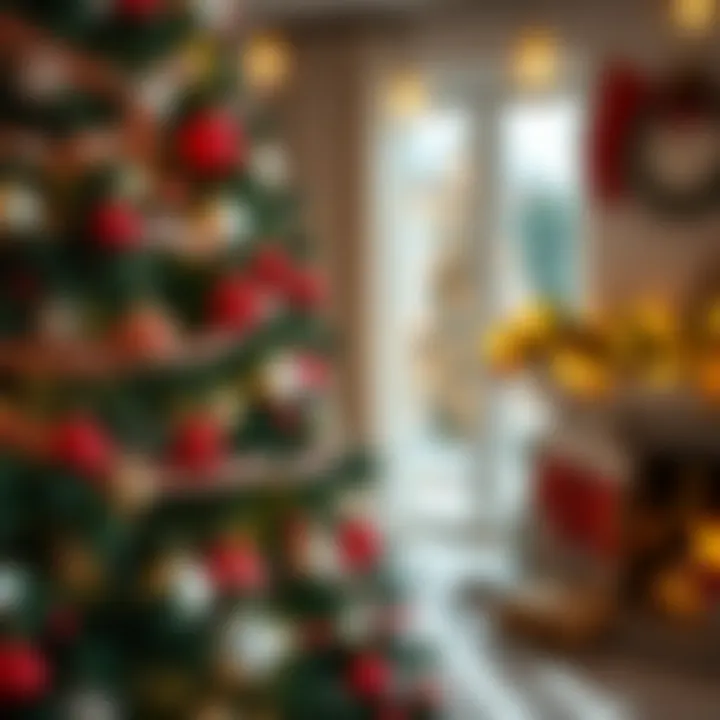
Selecting a color scheme is a foundational step in the decoration process. The colors you choose can convey feelings, themes, and unity in your seasonal decor. For example, classic reds and greens evoke a traditional Christmas vibe, while a palette of white, silver, and blue can lend a modern and wintry feel. It’s like picking a theme for a movie; your color scheme tells a story.
When deciding on a color scheme, consider your existing home decor and how the tree will fit into the room. A well-coordinated palette can transform a festive tree into a centerpiece, rather than just another piece of furniture. You may also want to think about what types of ornaments and lights you plan to use, as they should harmonize with your color choices. A common approach is to limit your palette to three colors, allowing for an intriguing yet cohesive look.
Ornament Selection
Choosing ornaments can be an engaging endeavor, with each piece reflecting a piece of your personality and traditions. Family heirlooms, handmade crafts, or store-bought pieces all create unique stories. Think of it as gathering a cast of characters for your tree’s narrative.
Consider mixing different types of ornaments to create a dynamic visual experience. This might include large, statement pieces alongside smaller, delicate decorations. Different textures – like glass, wood, and fabric – can add depth. When selecting ornaments, pay attention to balance; placing heavier pieces lower provides stability, while lighter ornaments can dance around the top and create a whimsical look.
Incorporating Lights Effectively
Effective lighting can make or break your tree's appearance. The right lights enhance your decorations and create a warm glow that draws people in. It’s essential to think about the type and placement of lights, ensuring they complement rather than overpower your decor.
Layering Techniques
Layering lights involve strategically placing different types of lights throughout the tree. For instance, crafting a base layer with warm white lights can create a cozy backdrop. Then, add colored lights for a standout effect. This technique not only adds depth but also maximizes the overall brightness of the tree.
A key characteristic of layering is its versatility; you can tailor it to fit any theme or mood. People often prefer layering because it provides a more natural look, mimicking the way sunlight filters through branches outdoors. However, this method does require some planning and patience, but the reward is a lively and visually appealing tree that draws admiration.
Highlighting Tree Features
Highlighting tree features involves drawing attention to specific aspects of your tree, such as unique branches or ornaments. You might direct lights toward a special ornament or an area that has significant sentimental value. This approach helps create focal points that can evoke warmth and nostalgia for your family or guests.
One key aspect of highlighting is that it brings a three-dimensional quality to your tree, making it appear fuller and more interesting. Using features like ribbon or garland to lead the eye can enhance the overall look. While it’s simple to implement, it requires a bit of artistic vision; avoid clutter to ensure that the focal areas stand out clearly.
Maintaining Your Faux Christmas Tree
When it comes to faux Christmas trees, keeping them in tip-top condition is just as vital as choosing the right one in the first place. After all, these trees can last a decade or even longer with the right care. Proper maintenance not only extends the life of your tree, but it also ensures that it looks its best each holiday season. A well-maintained tree can elevate your entire festive décor, making your home feel warm and inviting.
Cleaning Methods
The cleaning routine for your faux tree shouldn't be labor-intensive, but it does require some attention. Dust and debris can accumulate over the year, dulling the vibrant colors and textures of your tree. Here are a few effective methods:
- Gentle Dusting: Start with a soft cloth or microfiber duster. Gently wipe down the branches, starting from the top and working your way down. This avoids any dust falling onto already cleaned sections.
- Vacuum with Care: If there’s more than just dust—like pet hair or other debris—using a vacuum with a soft brush attachment can be a quick fix. Just be cautious; too much suction may displace branch tips or damage delicate decorations.
- Soapy Water Solution: For a deeper clean, a mild soap solution can work wonders. Use a damp cloth soaked in water mixed with a bit of dish soap to wipe the branches. Make sure not to soak the tree excessively and follow up by drying it with a clean towel.
- Spot Cleaning for Stains: Occasionally, you might find stains, such as from drinks or food during holiday parties. A delicate application of rubbing alcohol on a cotton ball can typically lift those stains away without damaging the material.
Keeping these cleaning methods in mind not only freshens up your tree but also makes it safer for any guests who may have allergies or sensitivities to dust.
Storage Tips
Once the holiday season is over, properly storing your faux Christmas tree is just as crucial as maintaining it during the season. A little prep work now saves you time and energy down the line. Here's what you need to know:
- Choose the Right Container: If your tree came in a box, that’s often the best option for storage. If you’re seeking alternatives, consider a tree storage bag. These are designed to protect against dust and moisture.
- Securely Wrap Up: Before putting it away, wrap individual sections—the branches and the stand—gently. This prevents them from bending or breaking. If your tree sheds needles or foliage, wrapping it can also limit the mess.
- Climate Considerations: Store your tree in a cool, dry place. Avoid damp basements or areas that are too hot, like attics. Extremes in temperature and moisture can degrade the materials over time.
- Label Your Storage: It may sound silly, but marking the storage bag or box with clear labels saves a lot of time when you’re ready to set up the tree again. Include details like the tree size and color scheme you used for decorations.
Maintaining your faux Christmas tree may seem minor compared to the thrills of decorating or selecting tree ornaments, yet it plays a crucial role in ensuring that your investment goes the distance, delivering holiday cheer year after year.
"A little care now can save a lot of hassle later, especially when the holiday spirit calls you to set up your tree again!"
The End
The journey through the world of faux Christmas trees with lights reveals not just their aesthetic appeal, but also practical benefits that resonate with many homeowners. Embracing a faux tree often means investing in a stress-free holiday experience. From eliminating the need to constantly vacuum fallen needles to the peace of mind that comes with knowing your tree won’t wilt or dry out, the advantages are abundant.
Recap of Key Points
In the exploration of faux Christmas trees, several key elements emerged:
- Variety of Styles: There’s a faux tree style to match every home aesthetic, whether one prefers a classic look, a modern minimalistic flair, or even a whimsically themed display.
- Lights Integration: Deciding on the type of lighting can significantly enhance your tree’s appearance, with options ranging from battery-operated to plug-in lights, including the warm glow of incandescent versus the energy efficiency of LEDs.
- Sustainability Considerations: Choosing a faux tree doesn’t have to compromise eco-conscious values; many manufacturers focus on sustainable materials and offer recycling options after the holiday season.
- Maintenance & Storage: These trees are celebrated for their longevity and ease of maintenance, making them ideal for hassle-free setups. Safely storing them post-holidays ensures they last for many festive seasons ahead.
Final Thoughts on Faux Christmas Trees
Ultimately, faux Christmas trees with lights present a dynamic solution for those looking to celebrate the season without the fuss of traditional trees. They integrate easily into various designs, appeal to a wide array of tastes, and often serve as a focal point in holiday decorations.
As you make holiday decor decisions, consider how these trees can align with your requirements—whether it’s for a cozy family gathering or an elaborate designer showcase.
For further reading and inspiration on holiday decor, visit resources like the Encyclopedia Britannica or explore community discussions on Reddit.
In summation, faux Christmas trees equipped with lights not only brighten the room but also lighten the load of holiday preparation, making them a worthy investment in elevating your festive experience.